---
title: Qualities for Electromagnetic Shielding Materials in Electronics
description: EMI shielding material is vital for protecting any electronic product, and Mueller’s experts know what materials are best.
image: https://blog.cohesivecomponents.com/hubfs/IMG_0754.jpg
---
[](https://www.sur-seal.com/)
[704.837.8139](tel:+7048378139)
[GET A CUSTOM QUOTE](https://www.sur-seal.com/request-a-quote/)
- [Markets](https://www.sur-seal.com/markets/)
- [Aerospace Solutions](https://www.sur-seal.com/markets/aerospace/)
- [Alternative Energy Solutions](https://www.sur-seal.com/markets/ev-alternative-energy/)
- [Climate Control Solutions](https://www.sur-seal.com/markets/climate-control/)
- [Electrical Sealing Solutions](https://www.sur-seal.com/markets/lighting/)
- [Healthcare Solutions](https://www.sur-seal.com/markets/medical-healthcare/)
- [Industrial Solutions](https://www.sur-seal.com/markets/industrial/)
- [Solar Solutions](https://www.sur-seal.com/markets/solar/)
- [Capabilities](https://www.sur-seal.com/services/)
- [CNC Cutting](https://www.sur-seal.com/services/cnc-cutting/)
- [Custom Assembly](https://www.sur-seal.com/services/custom-assembly/)
- [Die Cutting](https://www.sur-seal.com/services/die-cutting/)
- [Rapid Prototyping](https://www.sur-seal.com/services/die-cut-prototyping/)
- [Engineering](https://www.sur-seal.com/services/engineering/)
- [Laminating](https://www.sur-seal.com/services/laminating/)
- [Laser and Optical Inspection](https://www.sur-seal.com/services/laser-inspection/)
- [Precision Slitting](https://www.sur-seal.com/services/precision-slitting/)
- [Design Collaboration](https://www.sur-seal.com/services/product-collaboration/)
- [Product Manufacturing](https://www.sur-seal.com/services/product-manufacturing/)
- [Sealing & Containment](https://www.sur-seal.com/services/sealing-containment/)
- [Tubing](https://www.sur-seal.com/services/tubing/)
- [Extrusion](https://www.sur-seal.com/services/extrusion/)
- [Water Jet Cutting](https://www.sur-seal.com/services/water-jet-cutting/)
- [Precision Skiving](https://www.sur-seal.com/services/precision-skiving/)
- [Sheeting](https://www.sur-seal.com/services/sheeting/)
- [Molding](https://www.sur-seal.com/services/molding/)
- [Materials](https://www.sur-seal.com/products/)
- [Acoustic Insulation](https://www.sur-seal.com/products/acoustic-insulation/)
- [Custom Gaskets](https://www.sur-seal.com/products/gaskets/)
- [Environmental Seals](https://www.sur-seal.com/products/environment-seals/)
- [Filtration](https://www.sur-seal.com/products/filtration/)
- [Foams](https://www.sur-seal.com/products/foam/)
- [Plastics](https://www.sur-seal.com/products/plastic/)
- [Silicones](https://www.sur-seal.com/products/silicone/)
- [Rubber](https://www.sur-seal.com/products/rubber/)
- [Tapes & Adhesives](https://www.sur-seal.com/products/tapes-adhesives/)
- [Thermal Management](https://www.sur-seal.com/products/thermal-management/)
- [Nonwovens](https://www.sur-seal.com/products/nonwovens/)
- [Paper, Films & Foils](https://www.sur-seal.com/products/papers-films-foils/)
- [Reclosable Fasteners](https://www.sur-seal.com/products/reclosable-fasteners/)
- [About](https://www.sur-seal.com/about/)
- [Careers](https://www.sur-seal.com/careers/)
- [Case Studies](https://www.sur-seal.com/case-studies/)
- [Locations](https://www.sur-seal.com/locations/)
- [News](https://www.sur-seal.com/blog/news/)
- [Service Area](https://www.sur-seal.com/service-area/)
- [Testimonials](https://www.sur-seal.com/reviews/)
- [Quality](https://www.sur-seal.com/about/quality/)
- [Blog](https://www.sur-seal.com/blog/)
[Contact Us](https://www.sur-seal.com/contact/)
[](https://www.sur-seal.com/)
[tel:+18887310765](tel:+18887310765)
[](https://www.sur-seal.com/)
- [Markets](https://www.sur-seal.com/markets/)
- [Markets](https://www.sur-seal.com/markets/)
- [Aerospace Solutions](https://www.sur-seal.com/markets/aerospace/)
- [Alternative Energy Solutions](https://www.sur-seal.com/markets/ev-alternative-energy/)
- [Climate Control Solutions](https://www.sur-seal.com/markets/climate-control/)
- [Electrical Sealing Solutions](https://www.sur-seal.com/markets/lighting/)
- [Healthcare Solutions](https://www.sur-seal.com/markets/medical-healthcare/)
- [Industrial Solutions](https://www.sur-seal.com/markets/industrial/)
- [Solar Solutions](https://www.sur-seal.com/markets/solar/)
- [Capabilities](https://www.sur-seal.com/services/)
- [Capabilities](https://www.sur-seal.com/services/)
- [CNC Cutting](https://www.sur-seal.com/services/cnc-cutting/)
- [Custom Assembly](https://www.sur-seal.com/services/custom-assembly/)
- [Die Cutting](https://www.sur-seal.com/services/die-cutting/)
- [Rapid Prototyping](https://www.sur-seal.com/services/die-cut-prototyping/)
- [Engineering](https://www.sur-seal.com/services/engineering/)
- [Laminating](https://www.sur-seal.com/services/laminating/)
- [Laser and Optical Inspection](https://www.sur-seal.com/services/laser-inspection/)
- [Precision Slitting](https://www.sur-seal.com/services/precision-slitting/)
- [Design Collaboration](https://www.sur-seal.com/services/product-collaboration/)
- [Product Manufacturing](https://www.sur-seal.com/services/product-manufacturing/)
- [Sealing & Containment](https://www.sur-seal.com/services/sealing-containment/)
- [Tubing](https://www.sur-seal.com/services/tubing/)
- [Extrusion](https://www.sur-seal.com/services/extrusion/)
- [Water Jet Cutting](https://www.sur-seal.com/services/water-jet-cutting/)
- [Precision Skiving](https://www.sur-seal.com/services/precision-skiving/)
- [Sheeting](https://www.sur-seal.com/services/sheeting/)
- [Molding](https://www.sur-seal.com/services/molding/)
- [Materials](https://www.sur-seal.com/products/)
- [Materials](https://www.sur-seal.com/products/)
- [Acoustic Insulation](https://www.sur-seal.com/products/acoustic-insulation/)
- [Custom Gaskets](https://www.sur-seal.com/products/gaskets/)
- [Environmental Seals](https://www.sur-seal.com/products/environment-seals/)
- [Filtration](https://www.sur-seal.com/products/filtration/)
- [Foams](https://www.sur-seal.com/products/foam/)
- [Plastics](https://www.sur-seal.com/products/plastic/)
- [Silicones](https://www.sur-seal.com/products/silicone/)
- [Rubber](https://www.sur-seal.com/products/rubber/)
- [Tapes & Adhesives](https://www.sur-seal.com/products/tapes-adhesives/)
- [Thermal Management](https://www.sur-seal.com/products/thermal-management/)
- [Nonwovens](https://www.sur-seal.com/products/nonwovens/)
- [Paper, Films & Foils](https://www.sur-seal.com/products/papers-films-foils/)
- [Reclosable Fasteners](https://www.sur-seal.com/products/reclosable-fasteners/)
- [About](https://www.sur-seal.com/about/)
- [About](https://www.sur-seal.com/about/)
- [Careers](https://www.sur-seal.com/careers/)
- [Case Studies](https://www.sur-seal.com/case-studies/)
- [Locations](https://www.sur-seal.com/locations/)
- [News](https://www.sur-seal.com/blog/news/)
- [Service Area](https://www.sur-seal.com/service-area/)
- [Testimonials](https://www.sur-seal.com/reviews/)
- [Quality](https://www.sur-seal.com/about/quality/)
- [Blog](https://www.sur-seal.com/blog/)
- [Contact Us](https://www.sur-seal.com/contact/)
Mueller Blog
# Qualities for Electromagnetic Shielding Materials in Electronics
Posted by [Mueller Custom Cut Solutions Team](https://blog.cohesivecomponents.com/author/mueller-custom-cut-solutions-team) on Nov 14, 2019, 2:23:00 PM
- [Tweet](https://twitter.com/share)
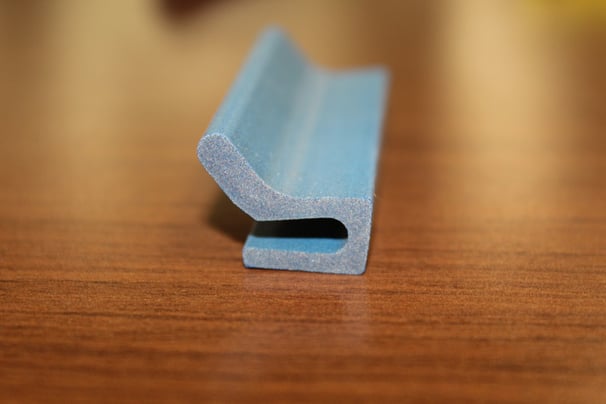
When it comes to [electronic products](https://blog.cohesivecomponents.com/the-right-material-for-electronic-products), consistent performance is vital. However, when electromagnetic interference (EMI) comes into play, performance can be jeopardized. Luckily, there are ways to ensure the integrity of a product.
Electromagnetic shielding materials are the best way to protect your electronics from interference before they even have a chance to be interfered with. With that being said, it can be difficult to determine how much shielding a product needs, as well as figuring out what material best suits those needs. That's where we come in.
The electronics experts at Mueller are here to help you determine the best qualities and materials for your [EMI shielding](https://muellercustomcut.com/materials/#shielding) needs. With this guide, you will be able to identify the best qualities for shielding materials, some common shielding materials, as well as ways to determine what material is best for your product.
[](https://cta-redirect.hubspot.com/cta/redirect/6466240/8543cca9-f3de-4876-ac04-ed67f728b2d2)
## What is Electromagnetic Shielding?
Before we begin, let's quickly go over [what electromagnetic shielding is](https://whatis.techtarget.com/definition/EM-shielding-electromagnetic-shielding) and how it benefits your products.
Electromagnetic shielding is using certain conductive or magnetic materials to protect electronic components or wires from other electromagnetic frequencies (EMF), which have the potential to affect a product's performance negatively. These frequencies come from other electronic sources and can interfere with your product's outgoing or incoming signals.
## EMI Shielding Materials
There are two main categories of EMI shielding materials that can be used to protect your products.
The first type of materials are **conductive**, which means they serve to redirect interference away from a component. These are generally applied to reduce interference between internal components.
The second type of materials are **blocking**, which can prevent interference from entering a product entirely. These materials are usually utilized for preventing external interference from other electrical sources.
Now, many materials function as EMI shields, but there are a few material types that dominate the industry. One of the most prominent in the electronics field is fabric-covered foam. The fabric is usually nylon or polyester with copper wire or twine threaded in to block EMFs. Fabric-covered foam is a blocking material since the fabric openings are small enough that the EMI frequencies cannot get through.
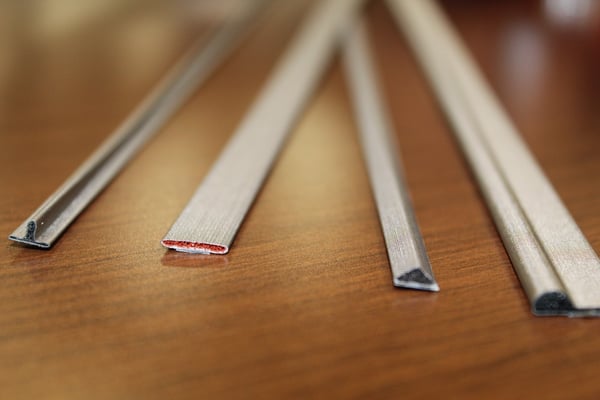
Another common material in electronic products is oriented wire, a highly conductive material. This material is generally used to connect two surfaces within a product with an electrical path to channel and cut down on EMI frequencies.
Metals are some of the most commonly used types of materials for EMI shielding, with different metal types posing various benefits for products. Leader Tech's guide to the most popular shielding metals is an excellent resource for that material type, explaining how steel, copper, and aluminum can protect electronic products.
While other materials can be used to shield electronic products from EMI frequencies, these are the most common and effective.
## Choosing the Best Material for Your Product
Now that we've looked at some of the most prominent material types for EMI shielding, it's time to determine what material is best for specific products. Since so many types of uses are application dependent, there's no way to definitively rank which material is best for every product. That being said, this section will assist you in determining where to begin your search for the right product. There are also ways to [test your shielding material](https://www.thomasnet.com/articles/automation-electronics/effective-emi-shielding/) of choice.
The first step to take is determining how much resistance you need your material to have. If a material lets a lot of EMFs through, it has a low resistance. If a material lets very few or no frequencies in, it has a high resistance. If you’re looking to completely shield a product from EMFs, you want a high resistance material like fabric-covered foam or metal.
It is also important to note that the more conductive the material is, the less resistant it is to EMFs. Many EMI shielding materials are conductive to a certain degree, but it is important to determine early on how conductive you need your material of choice to be. If you are looking for a blocking material, it should have low conductive levels.
As always, price is also a factor when deciding on what material to use in a project. The more conductive the material is, the more expensive it is as well. This may deter some people from buying materials at higher conductivity levels, but it shouldn't. As our expert, Steve Williams, says, "The advantage of the cost needs to equal the desired performance of your product." Essentially, you shouldn't go over or under what level of performance you need. If you buy a material that isn't conductive enough, your product will suffer. If you buy one that is more conductive than you need, your wallet will.
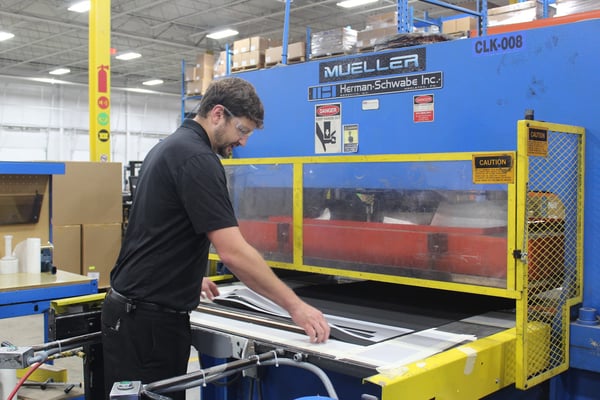
There is also a fair amount of planning that should go into picking a material. Materials that come in sheets like foam or certain metals are usually readily available for acquisition and use whenever. If you require a more intricate or highly specified material, though, you need to set aside the time to acquire it. Many high-tolerance or intricate materials need to be molded, which takes time. Be sure you plan if you'll be needing specialty materials!
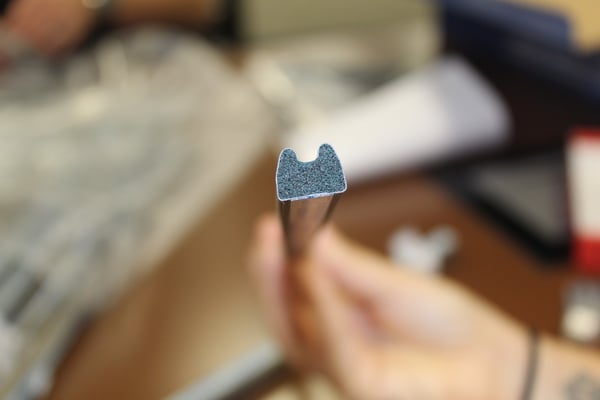
With all this in mind, you can begin to narrow down the best type of material for your product. If you need a material that will block out EMFs and shield your products, then you should seek out a fabric-covered foam or metal material. These products have openings small enough to stop frequencies from getting through while allowing the product to function as intended. Materials like fabric-covered foam have the bonus of being resistant to certain environmental factors as well, making them even more versatile.
On the other hand, if you're looking for materials that will cut down on internal interference, you should look for a conductive material like oriented wire or filled silicone, which is a silicone that has been filled with metallic particle to make it conductive. These materials are best suited for dispersing interference or directing it away from its source, which is useful in many electronic products. It all depends on the [technique](http://electronicsbeliever.com/emi-shielding-techniques/) you want to employ for shielding.
## Wrapping Up
Many factors go into deciding the best EMI shielding material for your electronic product. With so many materials and qualities to consider, as well as different types of shielding, the choice can feel overwhelming.
Now that you are familiar with the concepts of conductive and blocking materials, as well as the different types of [foams](https://muellercustomcut.com/materials/foam), metals, silicones, and wires available, you have the knowledge necessary to make the most informed decision for your next project. With this guide, you can now assess what type of shielding material you need to ensure all of your products remain interference-free.
[](https://info.muellercustomcut.com/materials-for-electronics-products)
Topics: [Electronics](https://blog.cohesivecomponents.com/tag/electronics), [EMI](https://blog.cohesivecomponents.com/tag/emi)
### Industries Served
- [Aerospace](https://muellercustomcut.com/aerospace/)
- [Meters](https://muellercustomcut.com/application/)
- [Electronics](https://muellercustomcut.com/electronics/)
- [Automotive](https://muellercustomcut.com/application/)
- [Health & Safety](https://muellercustomcut.com/application/)
- [Lighting](https://muellercustomcut.com/electronics/)
- [Power Gen](https://muellercustomcut.com/application/)
### Fill out the form below for assistance from our experts!
Video Gallery
[Watch More](https://muellercustomcut.com/videos/)
Case Studies

Supply Chain Reaction - Auto Gaskets
[DOWNLOAD HERE >](https://4p7hxp742jrqk2r2g049wf-wpengine.netdna-ssl.com/wp-content/uploads/2019/06/Auto-Case-Study.pdf)
A Value-Add Proposition - HVAC Gaskets
[DOWNLOAD HERE >](https://4p7hxp742jrqk2r2g049wf-wpengine.netdna-ssl.com/wp-content/uploads/2019/06/HVAC-Case-Study.pdf)
[](https://sur-seal.com)
[](https://sur-seal.com)
[Contact Us](https://blog.cohesivecomponents.com/sur-seal.com/contact/)
[704.837.8139](tel:+7048378139)
- SERVICES
- [Custom Gaskets](https://www.sur-seal.com/products/gaskets/)
- [CNC Cutting](https://www.sur-seal.com/services/cnc-cutting/)
- [Sealing & Containment](https://www.sur-seal.com/services/sealing-containment/)
- [Die Cutting](https://www.sur-seal.com/services/die-cutting/)
- [Product Manufacturing](https://www.sur-seal.com/services/product-manufacturing/)
- About
- [About](https://www.sur-seal.com/about/)
- [Markets](https://www.sur-seal.com/markets/)
- [Blog](https://www.sur-seal.com/blog/)
- [Careers](https://www.sur-seal.com/careers/)
- [Service Area](https://www.sur-seal.com/service-area/)
Service Areas
- [Alabama](https://www.sur-seal.com/service-area/alabama/)
- [Arizona](https://www.sur-seal.com/service-area/arizona/)
- [Arkansas](https://www.sur-seal.com/service-area/arkansas/)
- [California](https://www.sur-seal.com/service-area/california/)
- [Colorado](https://www.sur-seal.com/service-area/colorado/)
- [Connecticut](https://www.sur-seal.com/service-area/connecticut/)
- [Delaware](https://www.sur-seal.com/service-area/delaware/)
- [Florida](https://www.sur-seal.com/service-area/florida/)
- [Georgia](https://www.sur-seal.com/service-area/georgia/)
- [Idaho](https://www.sur-seal.com/service-area/idaho/)
- [Illinois](https://www.sur-seal.com/service-area/illinois/)
- [Indiana](https://www.sur-seal.com/service-area/indiana/)
- [Iowa](https://www.sur-seal.com/service-area/iowa/)
- [Kansas](https://www.sur-seal.com/service-area/kansas/)
- [Kentucky](https://www.sur-seal.com/service-area/kentucky/)
- [Louisiana](https://www.sur-seal.com/service-area/louisiana/)
- [Maine](https://www.sur-seal.com/service-area/maine/)
- [Maryland](https://www.sur-seal.com/service-area/maryland/)
- [Massachusetts](https://www.sur-seal.com/service-area/massachusetts)
- [Michigan](https://www.sur-seal.com/service-area/michigan/)
- [Minnesota](https://www.sur-seal.com/service-area/minnesota/)
- [Mississippi](https://www.sur-seal.com/service-area/mississippi/)
- [Missouri](https://www.sur-seal.com/service-area/missouri/)
- [Montana](https://www.sur-seal.com/service-area/montana/)
- [Nebraska](https://www.sur-seal.com/service-area/nebraska/)
- [Nevada](https://www.sur-seal.com/service-area/nevada/)
- [New Hampshire](https://www.sur-seal.com/service-area/new-hampshire/)
- [New Jersey](https://www.sur-seal.com/service-area/new-jersey/)
- [New Mexico](https://www.sur-seal.com/service-area/new-mexico/)
- [New York](https://www.sur-seal.com/service-area/new-york/)
- [North Carolina](https://www.sur-seal.com/service-area/north-carolina/)
- [North Dakota](https://www.sur-seal.com/service-area/north-dakota/)
- [Ohio](https://www.sur-seal.com/service-area/ohio/)
- [Oklahoma](https://www.sur-seal.com/service-area/oklahoma/)
- [Oregon](https://www.sur-seal.com/service-area/oregon/)
- [Pennsylvania](https://www.sur-seal.com/service-area/pennsylvania/)
- [Rhode Island](https://www.sur-seal.com/service-area/rhode-island/)
- [South Carolina](https://www.sur-seal.com/service-area/south-carolina/)
- [South Dakota](https://www.sur-seal.com/service-area/south-dakota/)
- [Tennessee](https://www.sur-seal.com/service-area/tennessee/)
- [Texas](https://www.sur-seal.com/service-area/texas/)
- [Utah](https://www.sur-seal.com/service-area/utah/)
- [Vermont](https://www.sur-seal.com/service-area/vermont/)
- [Virginia](https://www.sur-seal.com/service-area/virginia/)
- [Washington](https://www.sur-seal.com/service-area/washington/)
- [Washington, DC](https://www.sur-seal.com/service-area/washington-dc/)
- [West Virginia](https://www.sur-seal.com/service-area/west-virginia/)
- [Wisconsin](https://www.sur-seal.com/service-area/wisconsin/)
- [Wyoming](https://www.sur-seal.com/service-area/wyoming/)
© 2026 SUR-SEAL | Web Design by [ Blue Corona](https://www.bluecorona.com/) | [Privacy Policy](https://www.sur-seal.com/privacy-policy/) | Disclaimer
[ Contact Us](https://www.sur-seal.com/?hsCacheBuster=4487#)
```json
{
"@context" : "http://schema.org",
"@type" : "Article",
"articleBody" : "When it comes to electronic products, consistent performance is vital. However, when electromagnetic interference (EMI) comes into play, performance can be jeopardized. Luckily, there are ways to ensure the integrity of a product. \nElectromagnetic shielding materials are the best way to protect your electronics from interference before they even have a chance to be interfered with. With that being said, it can be difficult to determine how much shielding a product needs, as well as figuring out what material best suits those needs. That's where we come in.
\nThe electronics experts at Mueller are here to help you determine the best qualities and materials for your EMI shielding needs. With this guide, you will be able to identify the best qualities for shielding materials, some common shielding materials, as well as ways to determine what material is best for your product.
\nSchedule a Time to Speak With an Expert
\nWhat is Electromagnetic Shielding?
\nBefore we begin, let's quickly go over what electromagnetic shielding is and how it benefits your products.
\nElectromagnetic shielding is using certain conductive or magnetic materials to protect electronic components or wires from other electromagnetic frequencies (EMF), which have the potential to affect a product's performance negatively. These frequencies come from other electronic sources and can interfere with your product's outgoing or incoming signals.
\nEMI Shielding Materials
\nThere are two main categories of EMI shielding materials that can be used to protect your products.
\nThe first type of materials are conductive, which means they serve to redirect interference away from a component. These are generally applied to reduce interference between internal components.
\nThe second type of materials are blocking, which can prevent interference from entering a product entirely. These materials are usually utilized for preventing external interference from other electrical sources.
\nNow, many materials function as EMI shields, but there are a few material types that dominate the industry. One of the most prominent in the electronics field is fabric-covered foam. The fabric is usually nylon or polyester with copper wire or twine threaded in to block EMFs. Fabric-covered foam is a blocking material since the fabric openings are small enough that the EMI frequencies cannot get through.
\nAnother common material in electronic products is oriented wire, a highly conductive material. This material is generally used to connect two surfaces within a product with an electrical path to channel and cut down on EMI frequencies.
\nMetals are some of the most commonly used types of materials for EMI shielding, with different metal types posing various benefits for products. Leader Tech's guide to the most popular shielding metals is an excellent resource for that material type, explaining how steel, copper, and aluminum can protect electronic products.
\nWhile other materials can be used to shield electronic products from EMI frequencies, these are the most common and effective.
\n
\nChoosing the Best Material for Your Product
\nNow that we've looked at some of the most prominent material types for EMI shielding, it's time to determine what material is best for specific products. Since so many types of uses are application dependent, there's no way to definitively rank which material is best for every product. That being said, this section will assist you in determining where to begin your search for the right product. There are also ways to test your shielding material of choice.
\nThe first step to take is determining how much resistance you need your material to have. If a material lets a lot of EMFs through, it has a low resistance. If a material lets very few or no frequencies in, it has a high resistance. If you’re looking to completely shield a product from EMFs, you want a high resistance material like fabric-covered foam or metal.
\nIt is also important to note that the more conductive the material is, the less resistant it is to EMFs. Many EMI shielding materials are conductive to a certain degree, but it is important to determine early on how conductive you need your material of choice to be. If you are looking for a blocking material, it should have low conductive levels.
\nAs always, price is also a factor when deciding on what material to use in a project. The more conductive the material is, the more expensive it is as well. This may deter some people from buying materials at higher conductivity levels, but it shouldn't. As our expert, Steve Williams, says, "The advantage of the cost needs to equal the desired performance of your product." Essentially, you shouldn't go over or under what level of performance you need. If you buy a material that isn't conductive enough, your product will suffer. If you buy one that is more conductive than you need, your wallet will.
\nThere is also a fair amount of planning that should go into picking a material. Materials that come in sheets like foam or certain metals are usually readily available for acquisition and use whenever. If you require a more intricate or highly specified material, though, you need to set aside the time to acquire it. Many high-tolerance or intricate materials need to be molded, which takes time. Be sure you plan if you'll be needing specialty materials!
\n
\nWith all this in mind, you can begin to narrow down the best type of material for your product. If you need a material that will block out EMFs and shield your products, then you should seek out a fabric-covered foam or metal material. These products have openings small enough to stop frequencies from getting through while allowing the product to function as intended. Materials like fabric-covered foam have the bonus of being resistant to certain environmental factors as well, making them even more versatile.
\nOn the other hand, if you're looking for materials that will cut down on internal interference, you should look for a conductive material like oriented wire or filled silicone, which is a silicone that has been filled with metallic particle to make it conductive. These materials are best suited for dispersing interference or directing it away from its source, which is useful in many electronic products. It all depends on the technique you want to employ for shielding.
\n
\nWrapping Up
\nMany factors go into deciding the best EMI shielding material for your electronic product. With so many materials and qualities to consider, as well as different types of shielding, the choice can feel overwhelming.
\nNow that you are familiar with the concepts of conductive and blocking materials, as well as the different types of foams, metals, silicones, and wires available, you have the knowledge necessary to make the most informed decision for your next project. With this guide, you can now assess what type of shielding material you need to ensure all of your products remain interference-free.",
"articleSection" : "Electronics, EMI",
"author" : {
"@type" : "Person",
"name" : "Mueller Custom Cut Solutions Team"
},
"datePublished" : "2019-11-14T14:23:00",
"image" : "https://blog.muellercustomcut.com/hs-fs/hubfs/IMG_0754.jpg?width=606&name=IMG_0754.jpg",
"name" : "Qualities for Electromagnetic Shielding Materials in Electronics",
"publisher" : {
"@type" : "Organization",
"name" : "Mueller Custom Cut"
},
"url" : "https://blog.muellercustomcut.com/best-ematerial-for-emi-shielding-electronics"
}
```